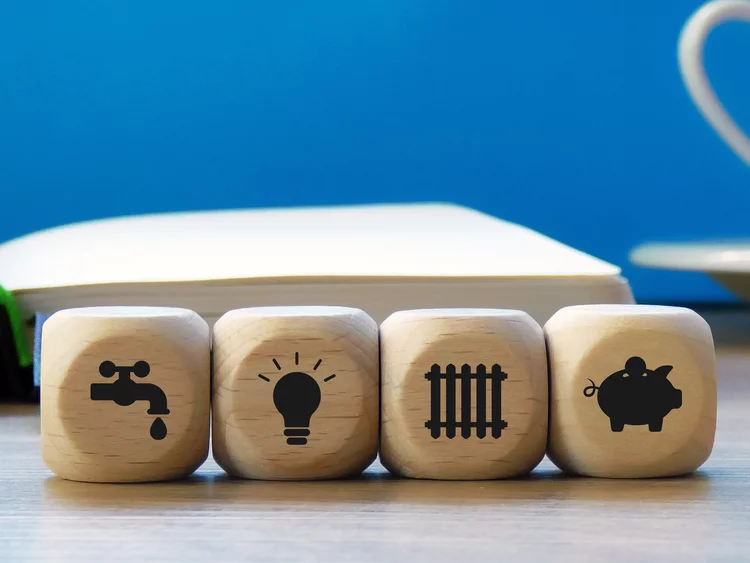
TIPS & USEFUL INFORMATION.
As a member, you too can help keep our collection in good order, do your bit for the climate and much more. Find out how here.


HEATING AND VENTILATING PROPERLY.
- Set
the room temperature appropriately. Around 20 degrees is usually comfortable in living areas. It can be a little cooler in the bedroom. However, don’t let rooms that are rarely used cool down completely. - Use
the thermostat correctly. The thermostat lets you set the desired room temperature. Setting it higher won’t make the room warm up any faster. - Keep
radiators clear Furniture, curtains or washing in front of the radiator hinder heat distribution. Therefore, keep a sufficient distance. - Ventilate
briefly but thoroughly Open the windows fully for a few minutes several times a day. Windows left tilted open all the time will cool down rooms and walls. Turn the heating down whilst ventilating. - Keep
doors closed Close the doors between rooms with different temperatures. This prevents warm, humid air from entering cooler areas.

SAVE HOT WATER.
- Take shorter showers
. If you take slightly shorter showers, you’ll save hot water and the energy needed to heat it. - Turn off
the tap whilst soaping up, brushing your teeth or shaving – there’s no need for the water to run continuously. - Take a shower instead of a bath
A shower generally uses less hot water than a full bath. - Check
for a water-saving shower head A water-saving shower head can reduce water consumption without compromising on comfort whilst showering. Make sure the model is compatible with your hot water system. - Report
dripping taps A dripping tap wastes water unnecessarily. If a tap in your flat is leaking, please let us know.

SAVE ELECTRICITY.
- Switch off the lights and use
LEDs. Only switch on the lights where you need them. LEDs use less electricity than older light bulbs. - Switch
appliances off completely Many appliances still use electricity even in standby mode. Switch off your TV, computer and other appliances completely. A power strip with a switch can help with this. - Fill
the washing machine properly Where possible, only start the washing machine when it’s full. For normally soiled laundry, 30 or 40 degrees is often sufficient. Eco programmes take longer, but usually use less energy. - Set
the fridge to the right temperature A temperature of around seven degrees is usually sufficient for the fridge. In the freezer compartment, minus 18 degrees is adequate. Let hot food cool down before putting it in. - Cook
with a lid on A well-fitting lid keeps the heat in the pan. Also, make use of the residual heat from the hob and oven, and only heat the amount of water you need in the kettle.


THROW IT IN THE YELLOW RECYCLING BIN.
In Hamburg, plastic, metal and composite packaging should be placed in the yellow recycling bin or the yellow recycling bag. This also applies to smaller household items that consist of at least half plastic or metal.
The following items belong in there:
- Yoghurt pots, plastic trays and cling film
- Tin cans and non-deposit drinks cans
- Aluminium foil and aluminium trays
- Milk and juice cartons
- Tubes and bottles of washing-up liquid and detergent
Smaller plastic or metal items, such as clothes hangers, pots or cleaning buckets
The packaging must be empty. There is no need to rinse it out. Separate different materials from one another: please remove the lid completely from the yoghurt pot and dispose of both parts separately.

PUT IT IN THE BLUE BIN.
Newspapers, cardboard boxes and other clean paper products belong in the blue paper bin. Please flatten or break up large cardboard boxes beforehand. This leaves more space in the bin.
The following items belong in it:
- Newspapers, magazines and leaflets
- Letters and envelopes
- Notebooks, books and catalogues
- Writing paper and wrapping paper
- Paper bags
- Cardboard and boxes
Clean paper napkins
The following items do not belong here:
Used tissues, kitchen roll, wallpaper, photo paper and stickers go in the general waste. Milk and juice cartons belong in the yellow recycling bin in Hamburg.

ORGANIC WASTE.
Kitchen and garden waste should be placed in the organic waste bin:
- Fruit and vegetable scraps
- Bread and bread rolls
- Food scraps and dairy products
- Eggshells
- Coffee filters and tea bags
- Flowers and other plant waste
Collect organic waste in a paper bag or a bag specifically designed for this purpose.
Plastic must not be put in the organic waste bin. This also applies to bioplastics and so-called compostable plastic bags. General waste, bones and fish bones must not be put in either.

GENERAL WASTE.
The black bin is for waste that cannot be disposed of in the other bins:
- nappies and other hygiene products
- used tissues and kitchen roll
- Rubbish and vacuum cleaner bags
- Bones and fish bones
- Cold ashes and cigarette ends
- Soiled pizza boxes
- Broken drinking glasses and mirror glass
- Small amounts of ceramics and porcelain
- Medicines in their original packaging
wallpaper and photographic paper
Batteries, rechargeable batteries, electrical appliances, paints and varnishes must not be disposed of in general waste.

SORT GLASS BY COLOUR.
You can find glass recycling bins at public collection points in Hamburg. The following items should be placed
in them:
- Glass bottles without a deposit
- Jam and preserve jars
- Other glass packaging
Glass cosmetics containers
White, brown and green glass should be placed in the appropriate containers. Blue, red, yellow and black glass are classified as green glass.
Drinking glasses, ceramics, porcelain and mirror glass go in the general waste. You can dispose of lids and screw caps in the yellow recycling bin in Hamburg.
Please only use the glass recycling bins on weekdays between 7 am and 8 pm.

BULKY WASTE AND SPECIAL CASES.
At the recycling centres run by Stadtreinigung Hamburg, you can drop off waste that does not belong in the bins at the waste collection point.
This includes:
- Furniture, mattresses and other bulky waste
- Large electrical appliances
- Smartphones, tablets and devices with built-in batteries
- Batteries, rechargeable batteries and light bulbs
- Paints, varnishes and solvents
- Renovation and construction waste
- Wood, cables, plugs, corks and CDs
Large quantities of paper, cardboard and garden waste
Please remove batteries and removable rechargeable batteries from electrical appliances before disposal.
Furniture, electrical appliances and other waste must not be left next to the bins. For bulky waste, you can use a recycling centre or the (chargeable) collection service provided by Stadtreinigung Hamburg.